Barbarians at the gate
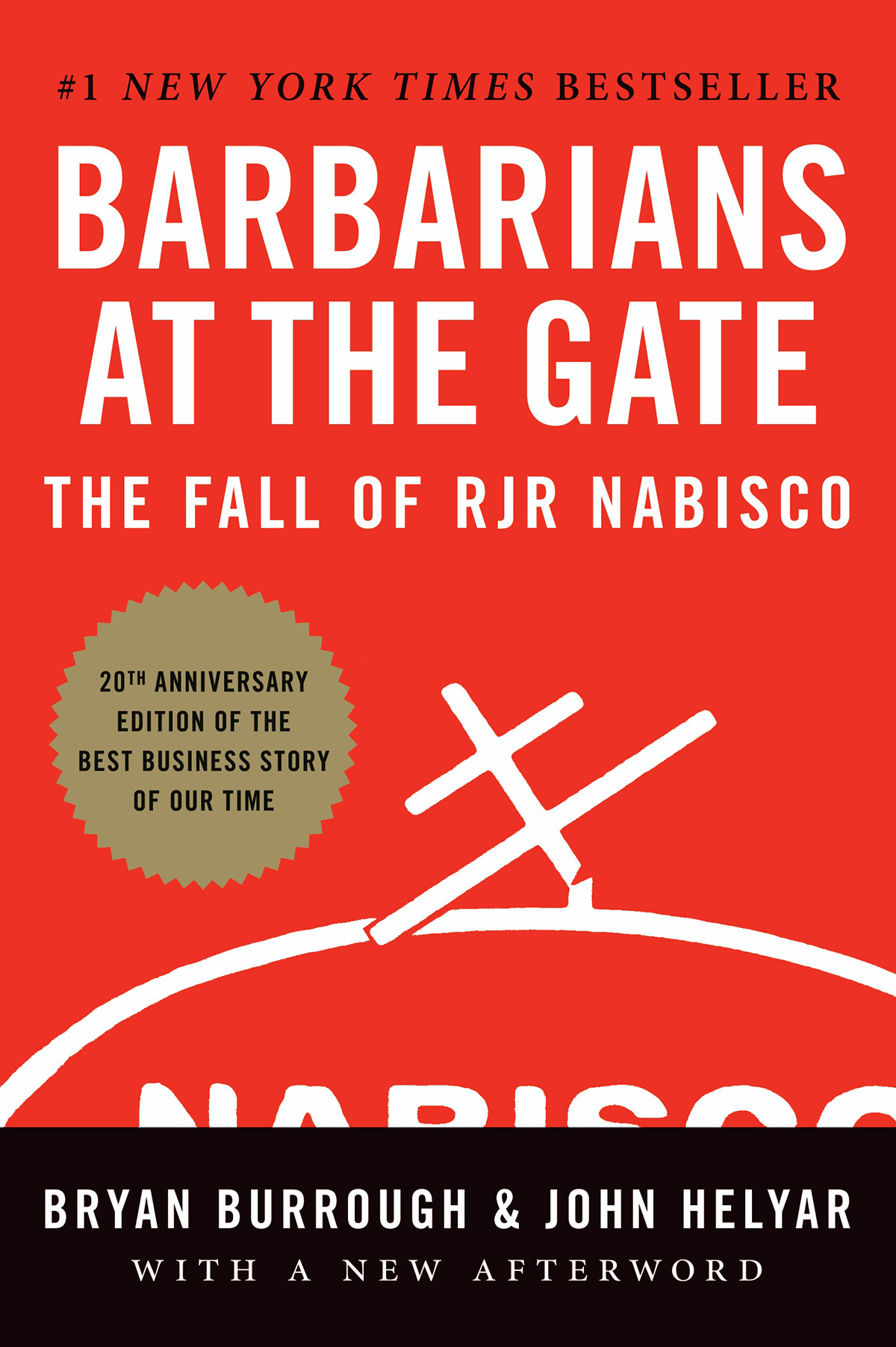
For some strange reasons, I came across this marvellous piece just a few months back. Once I had my hands on it, I just couldn’t stop reading it. One of the best piece of writing on financial transactions, board meetings, mis-management, ambition, greed..and above all, The Wall Street. I didn’t know that Wall Street had sooo much money. Soo much. And unimaginable might and will-power.
I do not have financial background but a strong interest in public companies that I invest into, their balance sheets and the common-joe stock market knowledge. But this real-life story. The whole thriller based on highly sophisticated financial instruments, strategies and the political economy has made me extremely interested in financial instruments that I didn’t care existed.
Of course, there’s a huge catch. I’m in India and this book is based out of the 1980s’ United States. India is a different and rigged game altogether. What makes me appreciate is the United State’s real capitalism at work. The sheer volume of talent, freedom and lack of red tape. I’m sure they must be having their own version of problems, but compared to India, it is a capitalist’s heaven.
This book also opened my eyes about why the US is called the land of opportunities. It feels illegal that there is a country where people can start at the bottom of the pyramid and reach the top of it just based on hard work, networking, risk and a little bit of luck. The chances of that happening in India are miniscule, it is exception not the rule.
Reading this book reminded me of three other Wall Street movies that I can recall: The Big Short, Pursuit of Happiness and Wolf of Wallstreet. The reason why this story felt so intense and impressive was its medium: book. If I had watched its film adaptation, I would have been impressed but not equally. It is like the difference between reading Harry Potter and watching Harry Potter. For the record, I have only watched Harry Potter, never read it. The act of reading communicates ideas through words and forces us to portray details on the infinite canvas of imagination. It is far more effective.
One of the qualities that I liked about reading the vivid details of the whole saga was the raw display of effort and hardwork against all odds. The soul-crushing rigorous 18-hour days, sleepless nights. The uncertainty, the maddening volume of paper work. Everything is inspirational. Of course, I don’t intend to covet such work but the hardwork is admirable. Those are the types of stories more people need to hear.
The story also shows how people’s personal ambitions and beliefs drive the whole world. I was quite moved by the description of how RJR Tobacco Company was founded by R. J. Reynolds. The way the authors have described Mr. Reynolds’ rise and contribution to Winston-Salem, I can’t help but resolve to visit this little town someday in my life.
I’m now wondering, any of my connections working for PE firms, VCs or Investment Banking really read such books? If I were in investment banking, this one would be one my go-to classics.
Receive new articles in your inbox
Can't see the newsletter form? Click here